
We’re often reminded that perfection isn’t necessary. In many areas of life, that’s true. But when it comes to our planet’s climate system, balance is everything. Earth’s atmosphere operates within a remarkably precise set of conditions that allow life to thrive. Our planet maintains a delicate equilibrium that keeps global temperatures within a livable range. It is a finely tuned system. When that balance shifts, the consequences can be profound.
Climate science has clearly established that rising concentrations of carbon dioxide in the atmosphere are disrupting this delicate balance and accelerating climate change. But how do we know that CO₂, and the amount of it in the air, is responsible?
The answer comes from well-established scientific principles and decades of observation. In fact, some of the key discoveries that explain carbon dioxide’s role in warming the planet date back further than many people realize.
At Bullfrog Power, we bring climate action to life by delivering sustainability solutions to thousands of customers and by connecting with our communities. From school presentations and corporate lunch-and-learns to local events like EcoFair Toronto, our team regularly gets invited to speak about the science and practical solutions to tackle the climate crisis. Along the way we’ve heard many great questions, which inspired us to put together this blog.
Who discovered the greenhouse effect?

Eunice Foote was a scientist, inventor, and women’s rights advocate from Seneca Falls, New York, who demonstrated the greenhouse effect in 1856. She conducted a simple yet groundbreaking experiment that went largely unrecognized for more than a century, at a time when women had limited access to scientific institutions and publishing. In the years that followed, many male scientists were mistakenly credited with the same discovery before Foote’s contribution was finally recognized.
She used glass cylinders fitted with thermometers and air pumps to compare how different gases absorbed heat. She filled one cylinder with ordinary air and another with carbon dioxide, then sealed and placed them in direct sunlight.
After about an hour, the cylinder containing carbon dioxide registered a temperature roughly 19°F higher than the one filled with air and noted “on being removed, it was many times as long in cooling”. From this, Foote concluded that carbon dioxide has a greater capacity to trap heat, and she suggested that an atmosphere with higher concentrations of CO₂ would lead to a warmer Earth.
To see why this happens, we need to look more closely at how carbon dioxide interacts with energy from sunlight. Most incoming solar radiation reaches Earth as shortwave visible light, which passes largely through the atmosphere and warms the planet’s surface. The warmed surface then emits energy back toward space as longwave infrared radiation (heat). Carbon dioxide molecules absorb some of this outgoing infrared radiation and re-emit it in all directions, including back toward the surface. This process reduces the amount of heat escaping to space. As carbon dioxide concentrations increase, more infrared radiation is absorbed and re-emitted, strengthening this natural greenhouse effect and raising the planet’s average temperature.
Winding the clock forward to the present, we now use sophisticated satellites to measure Earth’s energy balance — tracking how much solar energy comes in and how much heat radiates back into space.
How do we know this isn’t a natural fluctuation?
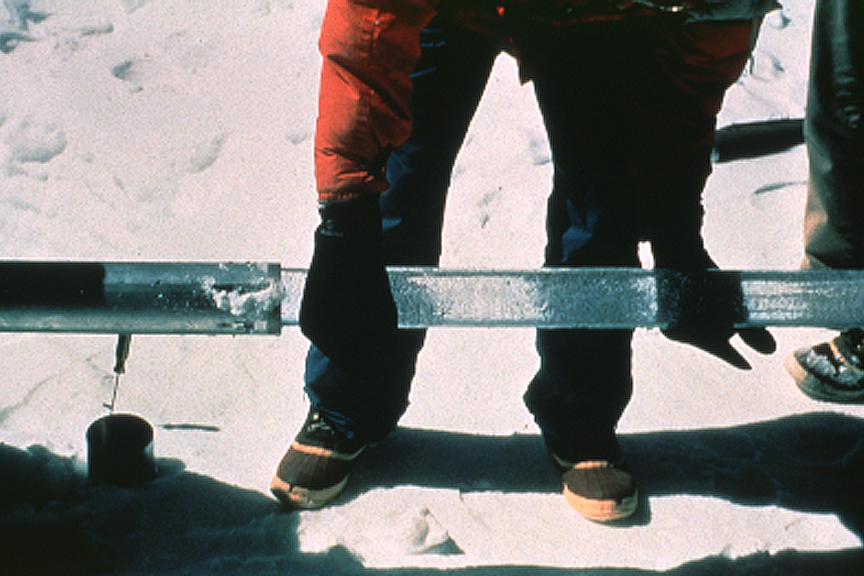
To determine how much carbon dioxide filled our atmosphere in the past, scientists extract long cylinders of ice from deep beneath the surface of Antarctica and Greenland, called ice cores. The ice in Antarctica is purer and provides more accurate data than Greenland, with ice cores that reach up to three kilometres in depth. Within that ice are tiny bubbles of trapped air that are essentially frozen snapshots of Earth’s atmosphere from tens to hundreds of thousands of years ago.
To analyze these bubbles, scientists crush or melt small sections of ice in sealed chambers, releasing the trapped air into highly sensitive instruments such as gas chromatographs. These tools precisely measure the concentration of CO₂ and other greenhouse gases. By repeating this for different layers of the ice core, researchers can reconstruct a detailed record of atmospheric carbon dioxide stretching back hundreds of thousands of years.
Over the past 800,000 years, carbon dioxide levels naturally rose and fell in step with ice ages. These long-term fluctuations are part of Earth’s normal climate cycles.
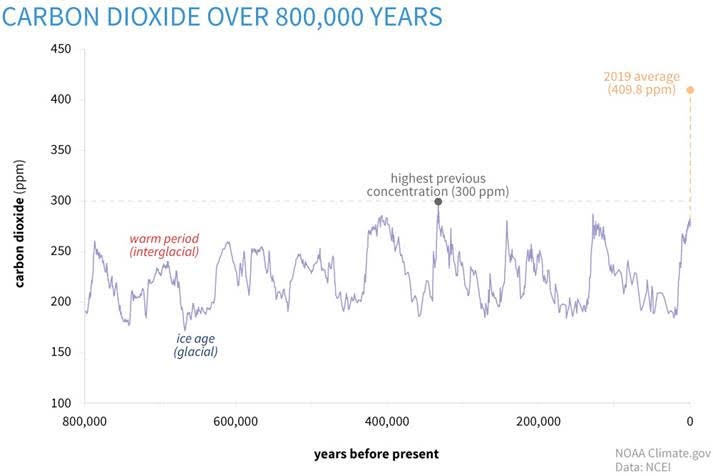
Notice the graph highlights that atmospheric CO₂ never rose above 300 parts per million. Then, in just the last century, which is a blink of an eye in geological terms, it surged past anything seen in that entire 800,000-year record. Over the past 60 years alone, this rise has occurred roughly 100 times faster than any previous natural rises. In fact, a new review of ancient atmospheric carbon dioxide levels indicates that the last time CO₂ levels were consistently this high was about 14 million years ago. This sharp increase began in the 1800s during the Industrial Revolution, when humans started burning large amounts of carbon-rich fossil fuels, including coal, oil, and gas.
In short, this sometimes overwhelming topic comes down to a little more than glass jars and ice, it’s that simple — and the data is very clear.
But didn’t we just experience a polar vortex?
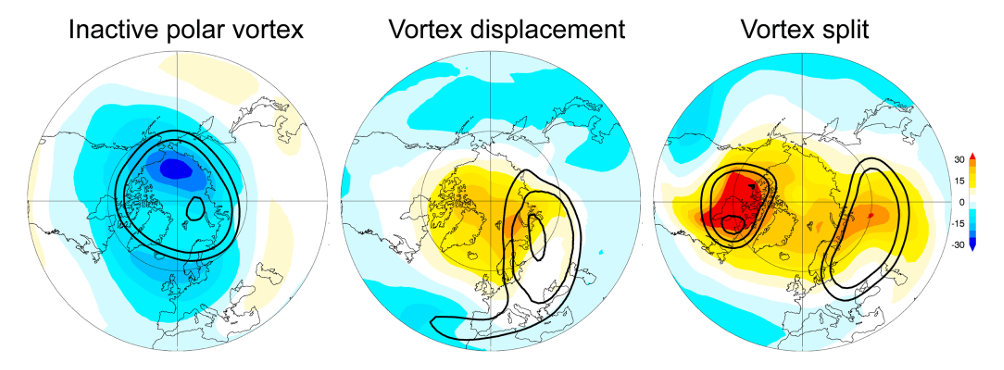
Many climate scientists believe this may be a symptom of climate change. The polar jet stream and the polar vortex are two bands of fast-moving air that circle the Arctic. They form because of the sharp temperature and pressure difference between the frigid North Pole and the warmer mid-latitudes. That contrast fuels strong west-to-east winds that usually help keep the cold Arctic air contained up north.
Climate change can weaken the temperature difference and destabilize the jet stream, causing the polar vortex to wobble or split. This can send bursts of frigid air into some regions, while other areas experience warmer-than-usual conditions — even as global average temperatures continue to rise.
Bringing it home: climate change and you
It's common for people to notice the effects of climate change in their own backyards. For example, around Lake Superior, Ontario, winters transform the landscape with blankets of snow and ice. These frozen layers are not only visually striking but also play a vital role in the local ecosystem.
Ice cover serves as both an insulator and a natural regulator of the lake, and it also provides a crucial land bridge for animals. Between 1973 and 2010, Lake Superior’s ice cover declined by a staggering 79%. This loss has significant environmental consequences, including warmer summer waters, larger algal blooms, and lower water levels.
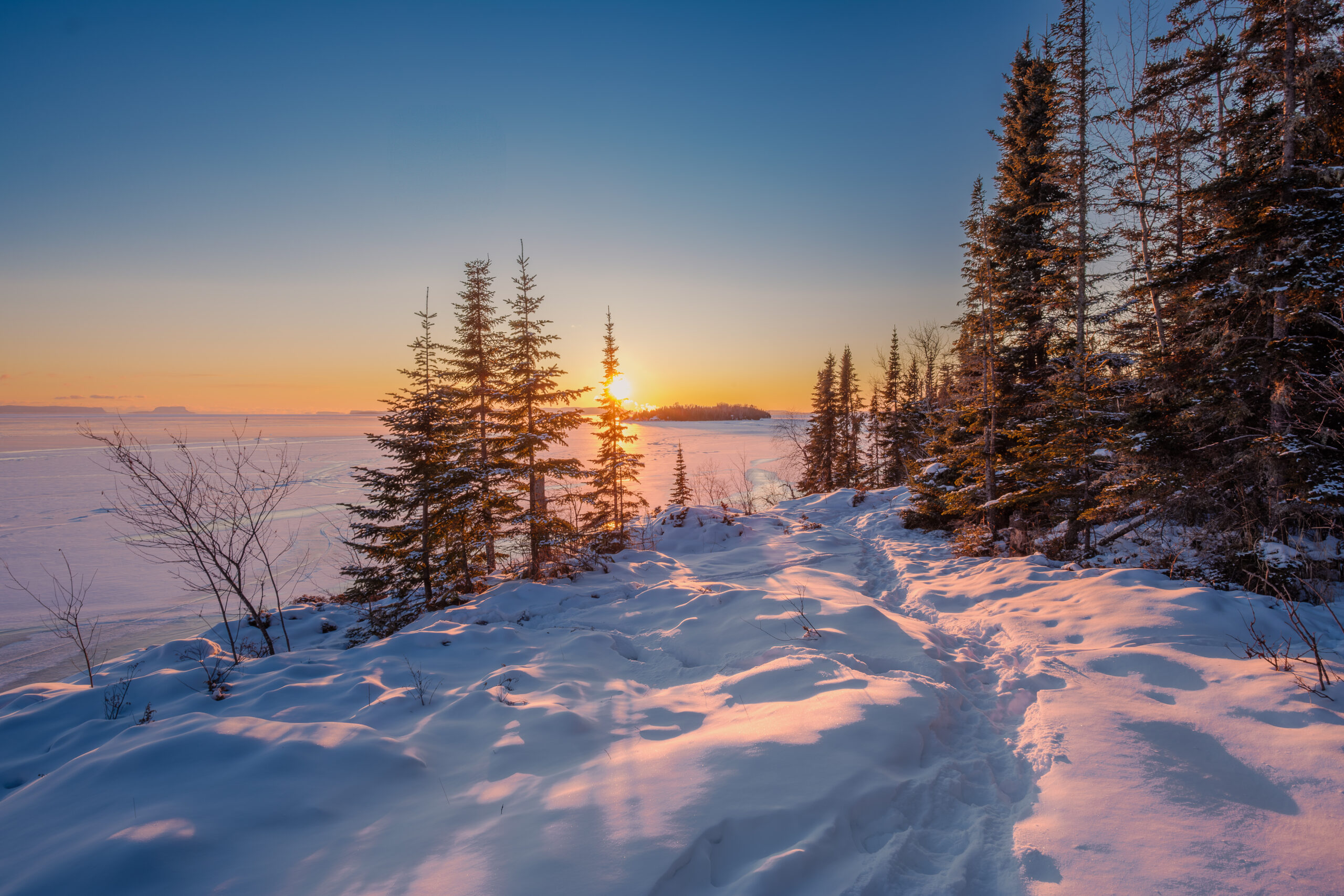
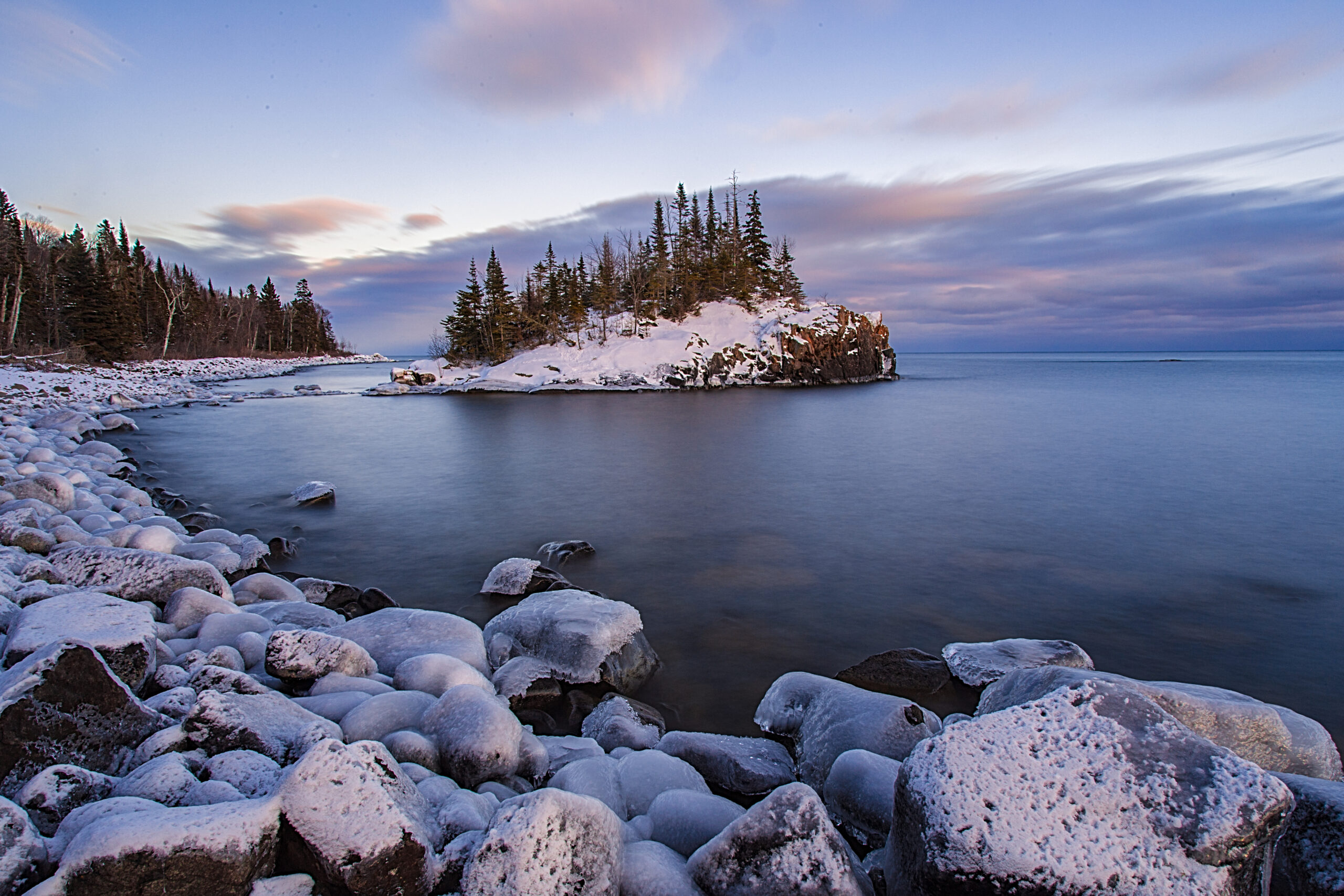
We invite you to think about a place that matters to you—a local park, an orchard, or somewhere meaningful you’d like to protect. Noticing how it’s changing, and that it could one day be lost, can shift your perspective. Climate change becomes less of an overwhelming global problem and more about the beauty around you. Get involved in local initiatives that protect your world—you might be surprised at how much your environment gives back to you.
Talking about climate change with friends and family helps turn knowledge into action. When you share what you’ve learned, you spread awareness, inspire others to think differently, and contribute to the collective momentum needed to tackle climate change.