

This guest post was written by Sean James, a Master Gardener and graduate of the Niagara Parks School of Horticulture with more than 40 years of experience. Sean runs Sean James Consulting and Design in Southern Ontario and has been a Bullfrog Power customer for 18 years.
If you're reading this, you, like me, know that Bullfrog Power is an effective way to help improve the planet. So, you're doing a great thing…but what else can you do? As a specialist in environmentally friendly landscaping, I can say there's an abundance of ways we can use our gardens for Good. Maybe a 'Top Five'?
Design with nature's layers
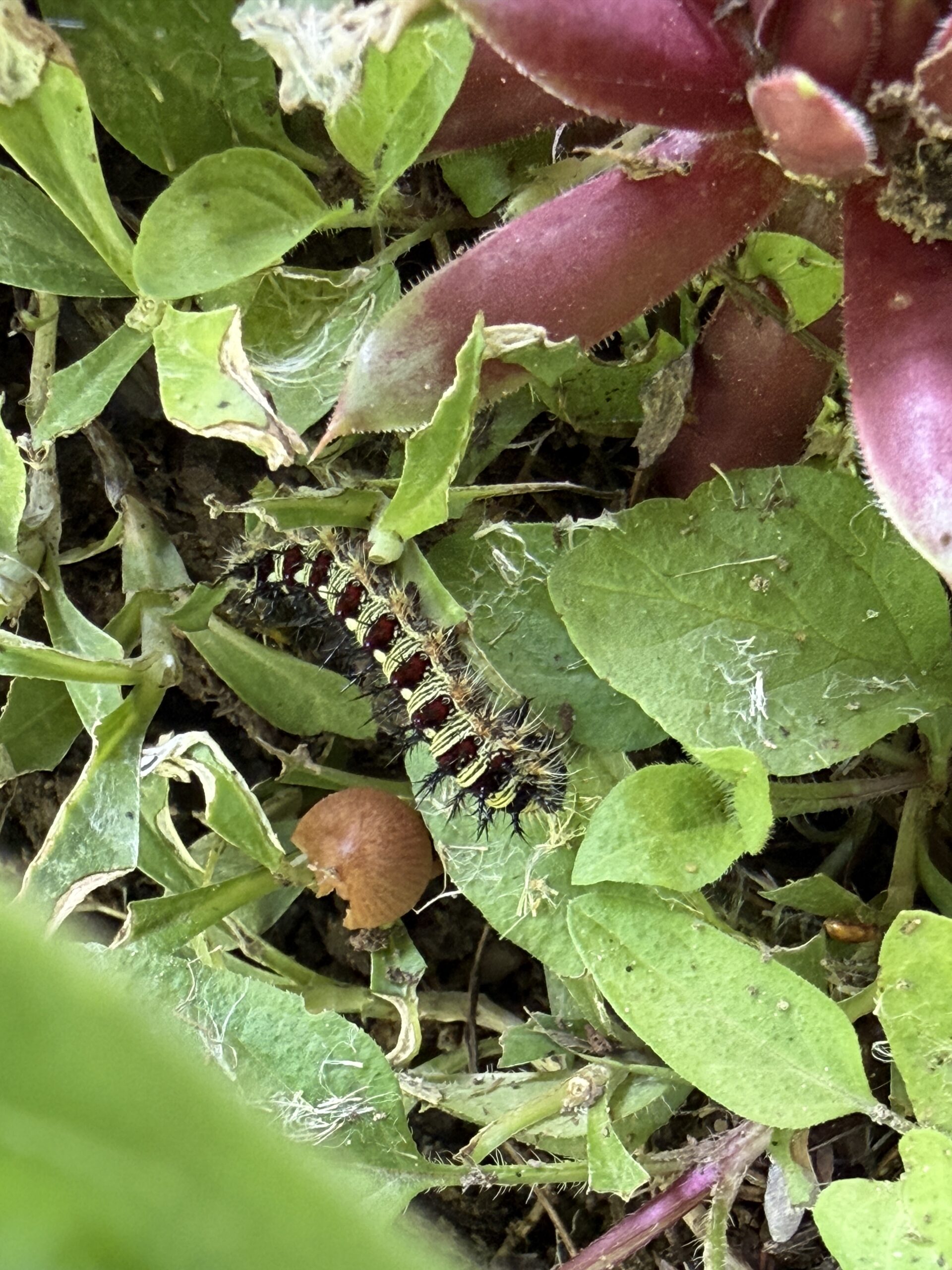
Different creatures feed at different levels. Warblers (lovely little migrating songbirds) often feed on insects in the upper tree canopy, while Frogs and Chipmunks feed at ground level, with plenty of others feeding in between, and even below ground, or in water. Think of ways you can redesign your garden to mimic where the forest meets the field to support a variety of life; trees, shrubs, perennials, groundcovers. Planting native species — especially host plants (food for caterpillars and other insect 'babies') — makes this an even bigger impact, since natives provide more nutritious food to a broader range of species than non-natives. Plants such as Black Cherry, Pagoda Dogwood and Zigzag Goldenrod are lovely, and you'll notice an uptick in birds and butterflies in your yard. It doesn't need to be all native, but every little bit helps.
While you're at it, look for ways to increase habitat (toad houses, small ponds and drinking stations, logs left to rot). Leaving the garden standing in winter supports many species. Some live in the old stems; others feed on the winter seeds, and others just overwinter in the leaves and detritus at the base of the plants.
Build healthy, living soil
The 'dirt' beneath your feet has an enormous capacity to sequester carbon, while improving plant health. Roots and soil microbes are carbon-based, so encouraging that life stores carbon in the soil. Let what falls on your property stay there so it becomes food for plants and more. Rake leaves off the lawn and into the garden (not a ‘must’ thing!). Mulch lawn clippings or compost them. Instead of sending fallen branches and pruned sticks to the compost facility, put them somewhere out of sight – known as a 'refugia pile' (and I once got SHREWS living in mine). Don't over-clean. The beauty of this initiative: it's easier! Less work means more time to enjoy the garden.
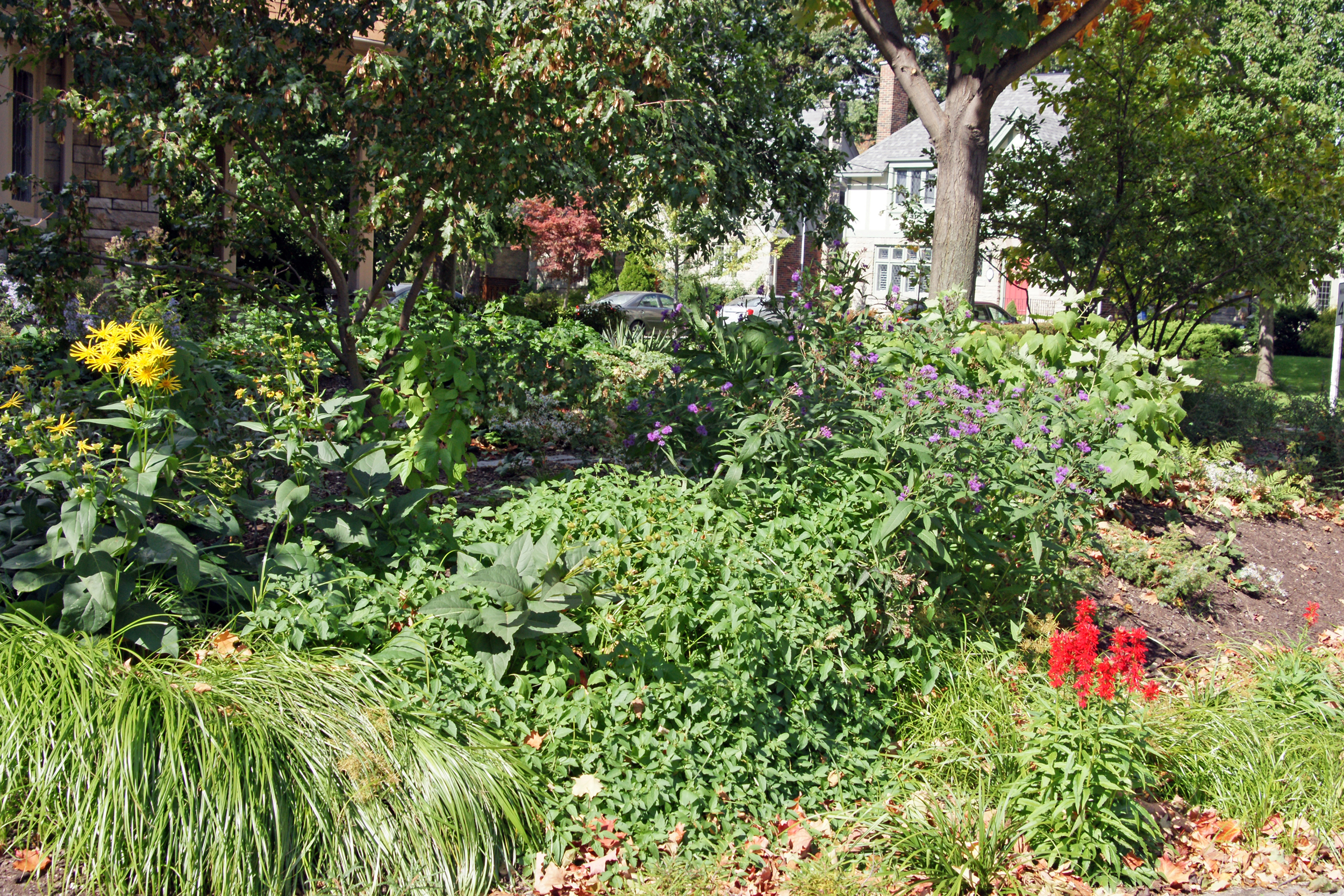
Cool our cities by planting trees
As part of the Layered Landscape, these green giants cool our cities and store carbon. If/when they must come down, please consider leaving the snag – a 15' standing stem that supports life, such as insects and the Woodpeckers seeking them. If you think your yard is too small for a tree, consider supporting global tree-planting initiatives. There ARE smaller 'city-sized' trees like Dwarf Hackberry, and narrow forms such as the Columnar Tulip Tree. Looking for good trees for urban planting? Landscape Ontario recently worked with Vineland Research and Innovation Centre to compile a list of trees recommended for urban areas.
Help native species thrive
Not all plants (and animals) that aren't from here are bad, but some can be devastating — Dog-strangling Vine, for instance, attracts momma Monarch when she's laying eggs, but is toxic to her caterpillars. Invasive species push out our native plants and everything that feeds on them. Some folks will insist Buckthorn is good for the birds, but it can take over entire ecosystems and is actually harmful to wildlife, acting as a laxative. It, and many Honeysuckles, are also lower in protein and fats than native species. Good alternatives include Dogwood and Nannyberry. Check out the Ontario Invasive Plant Council and the Grow Me Instead guide to learn more.
Conserve water naturally
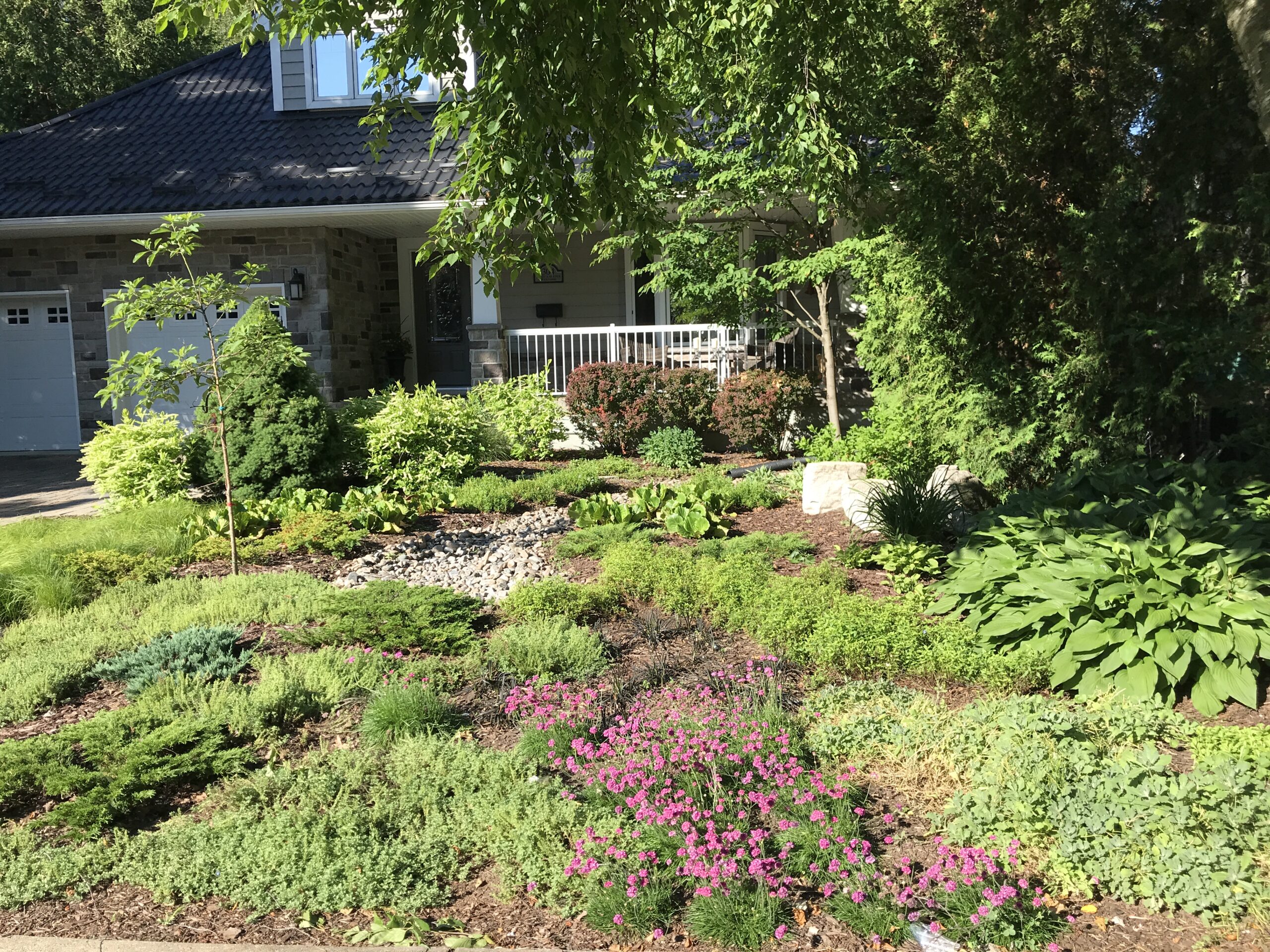
'Fusion Gardening' is a concept for designing a property to catch as many raindrops as possible, while choosing plants that don't need irrigation (except during establishment and long droughts). Rainscaping (AKA Low Impact Development) uses rain gardens, permeable paving, soakaway pits, etc., to hold and infiltrate stormwater. This eases stress on our storm sewer infrastructure, helps prevent neighbourhood flooding, and protects aquatic habitat. Rainscaping also lets you plant nifty plants such as Morningstar Sedge, Sparkleberry (AKA Winterberry), Blue Flag Iris and Fireworks Goldenrod! Solving a problem should never mean sacrificing beauty, and try to choose plants that are less thirsty to save taxes (making water potable is expensive, and heavily subsidized) and the cost of water itself.
Speaking to professional gardeners at a plant symposium a few years ago, I was asked what I did when people didn't want 'eco'. After a moment's thought, I replied, "I give them eco. They just don't know it." Most people don't know or care if a plant is native, although that's changing. They want it to be pretty, and low maintenance. The lesson: make it beautiful! We NEED folks to WANT gardens that improve the planet. It gives me hope that many gardeners doing eco-friendly gardening are part of a swiftly growing movement. You won't be alone. If you're already doing it, kudos! Spread the word and show your neighbours how stunning environmentally friendly landscaping can be.
Practical tips for a healthier landscape
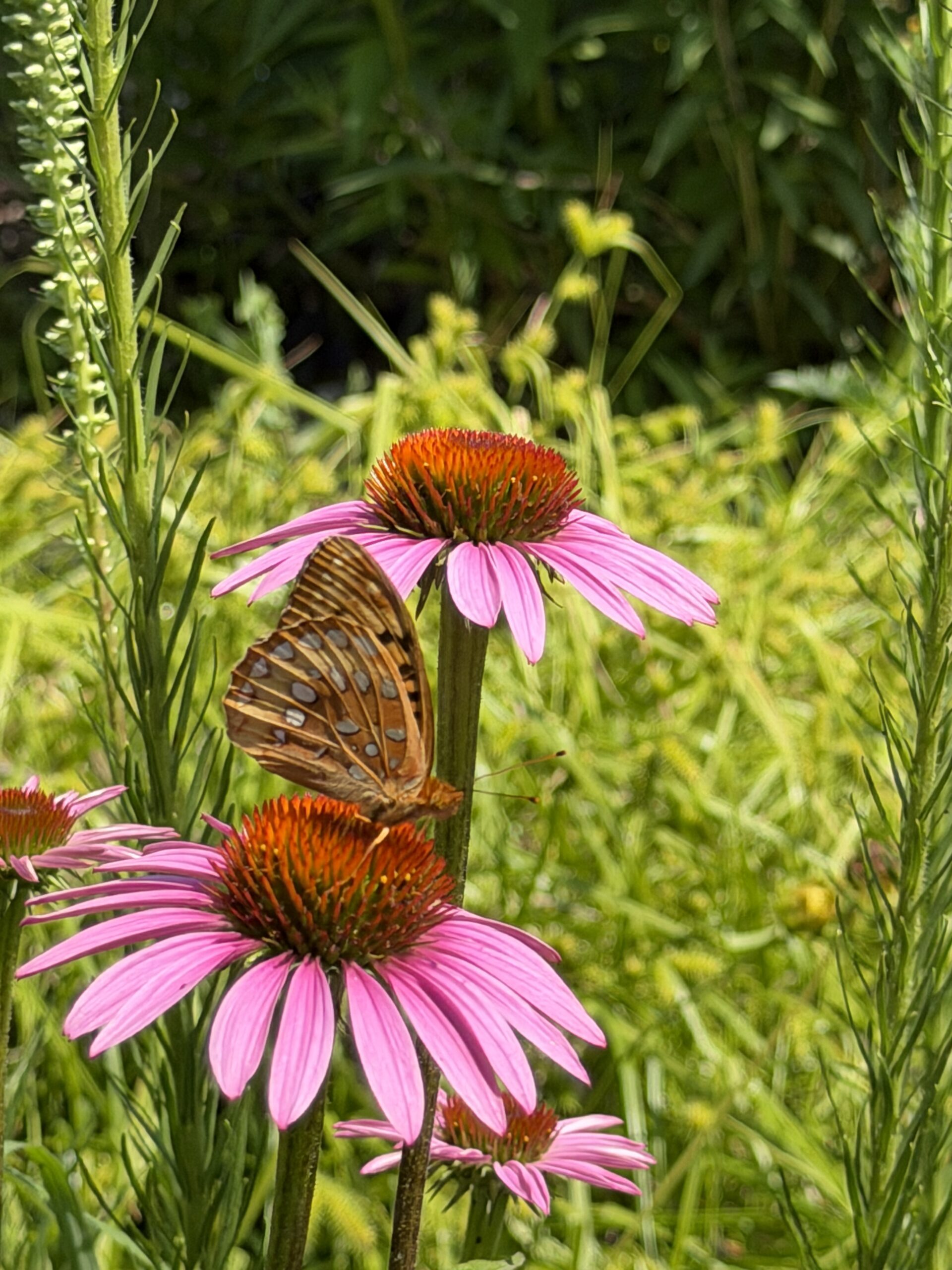
- Support local garden centres that specialize in native plants and source materials close to home.
- Reduce or eliminate winter salt by choosing alternatives, such as lava grit, beet juice ice melters, or ground oyster shells, to help protect local waterways.
- Mix edible plants like vegetables, herbs, and fruit-bearing plants into ornamental gardens for a beautiful landscape with a lower carbon footprint.
- Replace sections of turf with native meadows, gardens, or groundcovers to create more habitat for wildlife.
- Join your local garden club or groups like Ontario Native Plant Gardening or the Master Gardeners of Ontario to exchange ideas and inspiration.
- Use compost instead of peat to build healthy soil.