
Restoring Canada, one planting at a time
Why did we create Bullfrog Nature?
Since 2005, we’ve been on a mission to create a cleaner Canada. Our forests and oceans play a vital role in the global carbon cycle and are facing increased pressures due to climate change. That’s why we’ve created Bullfrog Nature, to restore Canada’s ecosystems and help clean the air and water that we depend on today.

Terrestrial forests and kelp forests are two of the most effective natural carbon sinks on the planet. Canada's boreal forest alone makes up 24% of the world's total, and as part of global restoration commitments like the Bonn Challenge, Canada is targeting 19 million hectares of degraded land for restoration by 2030. Similarly, kelp forests are critical for coastal ecosystems, protecting coastlines, providing habitat and food for marine life, capturing carbon, and supporting cultural and economic wellbeing. However, due to climate change and human disruptions, kelp forests along Canada's Pacific coast have declined between 60 to 99% since the 1970s.
Through Bullfrog Nature, individuals and organizations can purchase verified tree and kelp plantings across Canada, helping to restore the natural systems that support biodiversity and clean the air and water we depend on today. Deploying tracking technology, every tree and kelp planting is traced, monitored, and measured, delivering meaningful benefits to both ecosystems and communities.
Restoring the ecosystems that regulate our climate
For over 20 years, we've helped individuals and organizations reduce their emissions through renewable energy. Driven by our missions to create a cleaner Canada, we created Bullfrog Nature to restore Canada’s ecosystems and help clean the air and water that we depend on today. Built on transparent and verified plantings, we're making it easier for everyone to build resilient Canadian ecosystems, one planting at a time.
Canada's forests: a carbon sink under pressure
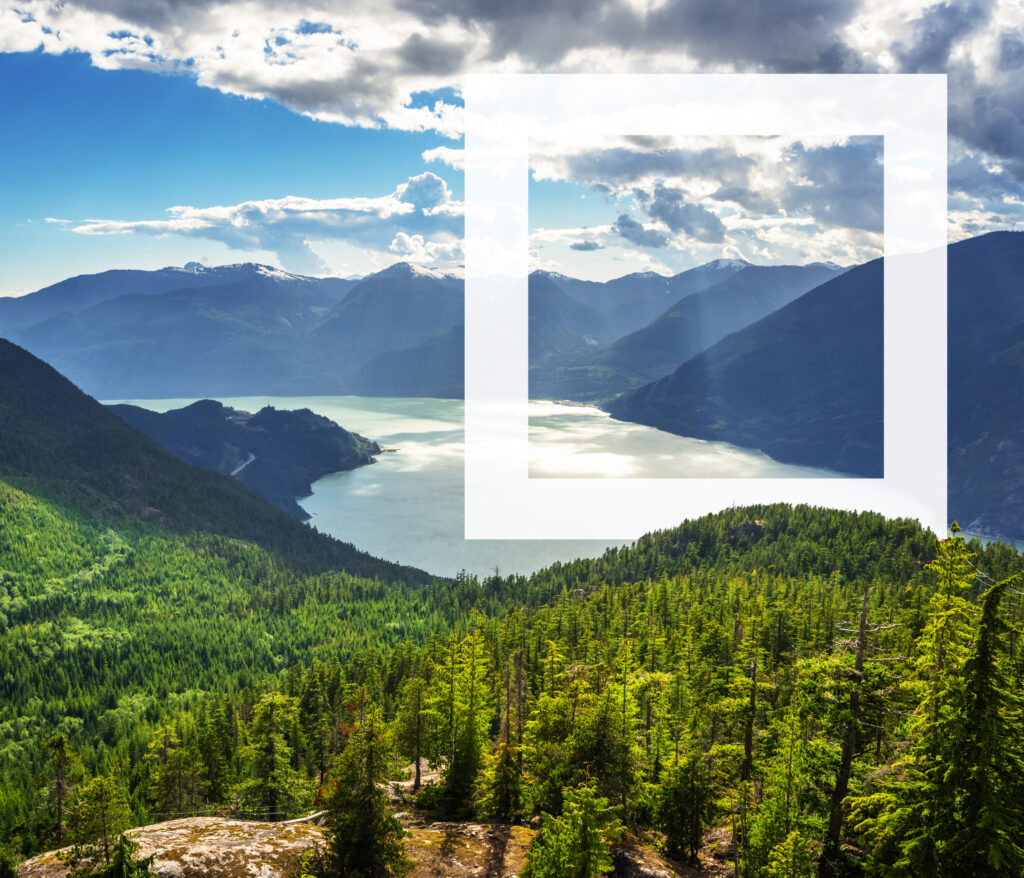
Canada is home to 24% of the world's boreal forests and is one of the largest carbon sinks on the planet. Now under pressure, forest fires are becoming increasingly frequent and widespread, displacing and impacting communities each year. Species across Canada are disappearing at a pace unmatched in human history. The science is clear: biodiversity loss is accelerating, and with it, the natural systems we depend on are increasingly at risk. Through global restoration commitments like the Bonn Challenge, Canada has committed to bringing at least 19 million hectares of degraded and deforested land into restoration by 2030, and federal programs alone are targeting 1.32 million hectares of forests, wetlands, and grasslands for restoration by 2031. Every tree planted adds back to that carbon-capturing capacity, while also stabilizing soil, filtering water, and rebuilding wildlife habitats.
Beneath the surface: coastal ecosystems at work
As important as our boreal forests, coastal ecosystems are equally fragile and in need of protection. Kelp forests are among the fastest-growing plants on Earth. However, due to climate change and human disruptions, kelp forests along Canada's Pacific coast have declined between 60 to 99% since the 1970s. Kelp helps to buffer coastlines from erosion and storm surges, provides nursery habitat and food for thousands of marine species, and support cultural and economic wellbeing of local communities. As ocean temperatures shift and kelp forests decline quickly in many regions, replanting is one of the most direct ways to restore our waters while also protecting coastal water quality.

Restoration as climate action
Tangible environmental impact happens when we not only reduce emissions but actively rebuild the systems that regulate our climate. Every tree planted and kelp forest restored means cleaner air and cleaner water today for the people and communities nearby. So, we created Bullfrog Nature: a verified, transparent way for individuals and organizations to fund tree and kelp forest restoration projects across Canada, with real, traceable outcomes tied to local ecosystem recovery.